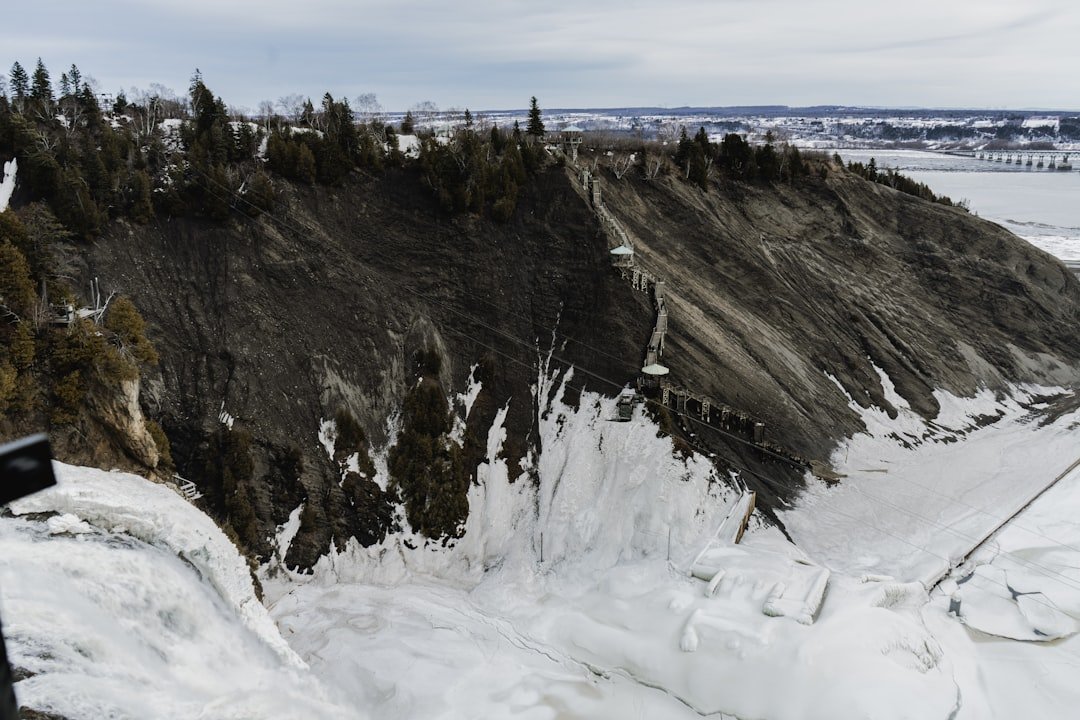
Idaho’s 2026 Snowpack Among Lowest on Record, Threatening Statewide Water Supply
Idaho is facing a historically poor water outlook this spring and summer after the state’s snowpack peaked at just 68% of normal — one of the lowest levels recorded since measurements began in the 1930s, according to a new report from the Natural Resources Conservation Service (NRCS). The findings have raised serious concerns for residents across Kootenai County and throughout North Idaho, where rivers, lakes, and reservoirs serve as critical sources of water for agriculture, recreation, and municipal use.
Snowpack Peaked Early, Meltout Already Underway
According to the NRCS April report, Idaho’s snowpack peaked nearly three weeks ahead of schedule on March 17 — a troubling sign for a state that relies heavily on winter snowfall to replenish rivers and reservoirs through spring and summer. By April 1, roughly 25% of the statewide snowpack had already melted, including at elevations as high as 10,000 feet.
The agency attributed the rapid melt to a record-setting heat wave that struck the region in mid-March. Hydrologists Erin Whorton and Dave Eiriksson documented record-low snowpack conditions at Mores Creek Summit on March 31, illustrating the severity of this season’s shortfall.
The NRCS report was direct in its assessment: “This spring and summer, every Idahoan will likely feel the impacts of this year’s historically poor snowpack.” The report added that consequences would be “most apparent to anyone who spends time in our state’s many creeks, rivers, lakes and reservoirs.”
Drought Conditions Blanket All of Idaho
The water supply concerns are compounded by statewide drought. As of April 1, all of Idaho is classified as either abnormally dry or in some level of drought, according to the U.S. Drought Monitor. That designation covers the entire Panhandle region, including Coeur d’Alene, Post Falls, Hayden, Rathdrum, and communities throughout Kootenai County.
The NRCS report warned that if warm spring conditions persist, many rivers across Idaho and the broader Western United States will peak and recede much earlier than normal. Without a deep, high-elevation snowpack to sustain streamflow through late spring and early summer, low water conditions are expected across the region.
New records were set at measurement sites throughout Idaho this year, including records for the lowest April 1 snowpack, the earliest peak date, the greatest amount of melt in the second half of March, and the earliest complete melt-out at some locations. The breadth of those records underscores that this is not a localized issue — it is a statewide and regional crisis.
Impact on Kootenai County Residents
For residents of North Idaho, the implications are broad. Lake Coeur d’Alene and the rivers and streams that feed it depend on consistent mountain snowmelt to maintain healthy water levels through the dry summer months. Lower-than-normal streamflow can affect everything from municipal water supplies and irrigation for farms and ranches to recreational boating, fishing, and wildlife habitat.
Agricultural producers in Kootenai County and surrounding areas face particular risk. Early melt and reduced reservoir storage can make late-season irrigation difficult, straining operations that depend on consistent water availability. Rural property owners relying on wells may also see impacts if groundwater recharge is limited by reduced snowmelt infiltration.
The broader economic effects of a drought year — reduced crop yields, strained utility systems, and decreased recreational tourism around Lake Coeur d’Alene — could ripple through local businesses and communities already navigating a challenging economic environment. For statewide economic and policy context, visit Idaho News and the Idaho News Network.
What Comes Next
Water managers, farmers, and municipal utilities across the state are being urged to monitor conditions closely as the spring season progresses. The NRCS will continue issuing water supply outlook reports as conditions evolve.
Residents can track current drought conditions through the U.S. Drought Monitor and follow updates from the Natural Resources Conservation Service. Kootenai County homeowners, ranchers, and business owners are encouraged to evaluate water conservation measures now, ahead of what the NRCS is warning could be a difficult summer for Idaho’s rivers, lakes, and reservoirs.
State leaders in Boise are also navigating a packed post-session policy environment — including measures like Medicaid expansion work requirements signed into law earlier this year — as they assess the downstream economic impact of a historic drought year on Idaho communities.