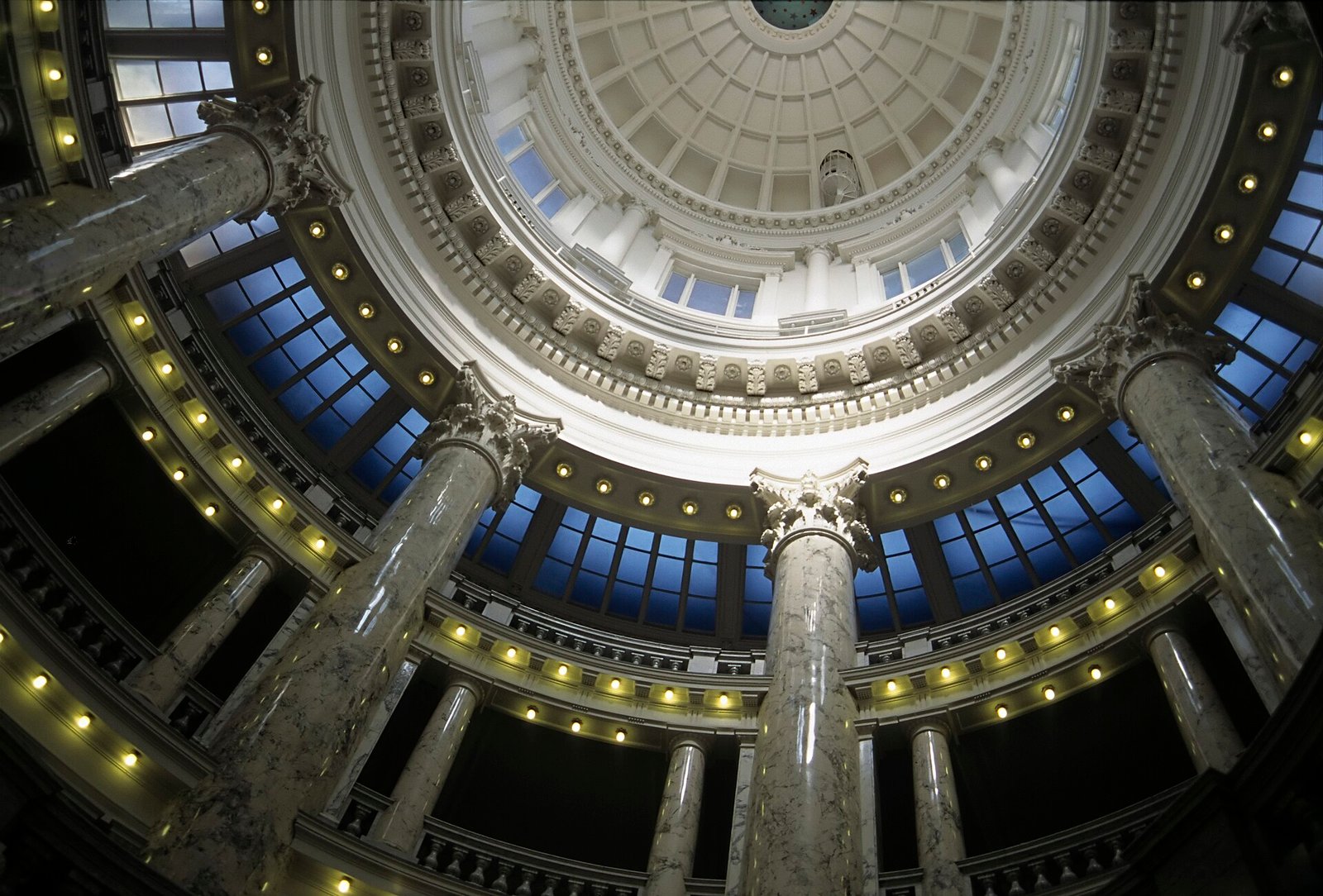
State lawmakers and education officials convened at the Idaho State Capitol on June 4, 2026, gathering public input on a school funding formula that has not been substantially updated since the 1990s. The listening session, led by Sen. Dave Lent (R-Idaho Falls), brought together parents, school finance directors, and legislators from both parties as pressure builds to modernize how Idaho allocates money to its public schools.
A Formula Decades Past Its Prime
Idaho’s current school funding structure relies on an attendance-based model — one that counts students present on a given day rather than those enrolled. Only eight other states use a similar resource-based approach, while 35 states have moved to a student-based model that applies weighted funding to account for varying student needs. State Superintendent Debbie Critchfield has proposed shifting Idaho toward that per-student weighted approach, but legislation advancing that change has repeatedly stalled in the Legislature.
The consequences of staying with the current model have been measurable. When the state temporarily adopted an enrollment-based formula during the COVID-19 pandemic, it provided more predictable funding to districts. The 2023 return to the attendance-based system cost Idaho school districts a combined $145 million — a figure that has continued to fuel calls for a permanent fix.
The Idaho Senate passed Senate Concurrent Resolution 121 this past session, directing the Idaho Department of Education to draft legislation updating the funding formula. The resolution cleared the Senate but stalled in the House, leaving the reform effort unresolved heading into interim discussions.
Special Education Shortfall a Central Concern
Among the most pressing issues raised at the forum was a roughly $100 million gap in special education funding. For families navigating that system, the number is not abstract. Bessie Yeley of Nampa, whose child receives special education services, addressed officials directly at the session. “We keep coming back, and we keep telling the people here in this building that they’re not meeting the obligations to our children,” she said.
The special education shortfall stands in contrast to the Legislature’s decision last year to allocate $50 million to support private school and home-school families — a move that critics argue drew resources away from the public school system at a time when funding gaps remain unaddressed. Where students live in Idaho should not determine whether they graduate prepared for the workforce, an issue closely tied to how equitably the funding formula distributes dollars across districts of different sizes and demographics.
Finance officials from some of Idaho’s larger districts also participated. Randy Dewey, finance director for the Nampa School District, and Dave Roberts, chief financial officer for West Ada School District, were among those offering input on how the current structure affects budgeting at the local level.
Bipartisan Interest, Legislative Uncertainty
Thursday’s forum drew observers from across the political spectrum. Senate Majority Leader Lori Den Hartog (R-Meridian) was present, as were Democratic legislators Rep. Soñia Galaviz and Sen. Carrie Semmelroth, both of Boise. The breadth of attendance reflects what has become a rare point of agreement at the Capitol: the existing formula is inadequate.
Greg Wilson, one of the participants, put it plainly, saying that nobody disputes the formula is outdated and that there is broad consensus it does not give schools enough flexibility to address the specific needs of their students.
Superintendent Critchfield has been hosting a broader series of public forums aimed at building the political will to act. The process is designed to generate enough community and legislative consensus to advance a funding overhaul bill when the Legislature reconvenes. Idaho students across the Panhandle and beyond — from Coeur d’Alene to Rathdrum to Post Falls — could feel the effects of any structural change, particularly in smaller or more rural districts where attendance fluctuations have outsized budget impacts. Local students like East Valley High’s Chloe Bennett demonstrate what Idaho’s public schools can produce when given the resources to support individual achievement.
What Comes Next
With the 2026 legislative session now adjourned and SCR 121 having stalled in the House, attention turns to whether the Department of Education can produce a draft bill during the interim period that gains enough traction to move forward in 2027. Superintendent Critchfield’s listening tour is expected to continue, and advocates for special education families say they plan to remain engaged. Kootenai County residents with concerns about school funding equity can contact their local legislators or the Idaho Department of Education to weigh in on the process ahead of the next session.