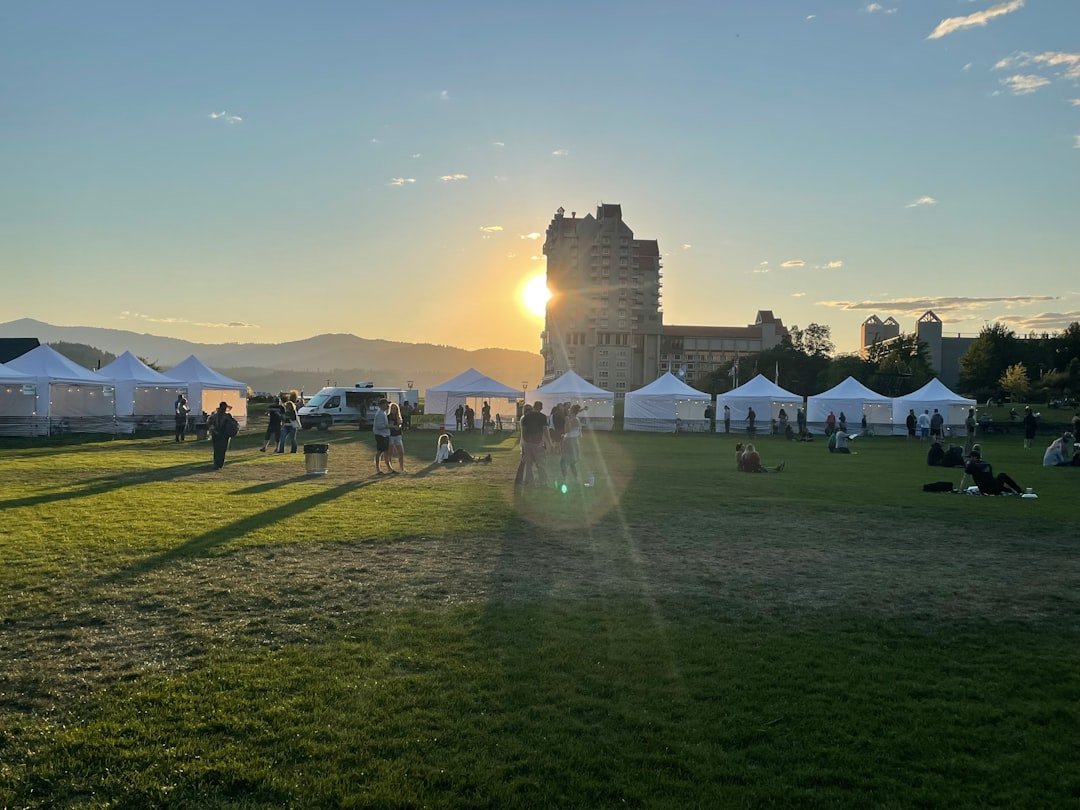
From the shores of Lake Coeur d’Alene to the working farms outside Rathdrum, the gathering places of North Idaho tell the story of who Kootenai County residents are — people rooted in the land, shaped by hard seasons, and bound together by shared values that run as deep as the region’s evergreen forests. Community connection in North Idaho has always grown from the ground up, and the spaces where neighbors meet remain as vital today as ever.
The Roots of Community in Kootenai County, Idaho
Kootenai County has grown rapidly over the past decade, with newcomers arriving from California, Washington, and beyond, drawn by Idaho’s lower taxes, broader individual freedoms, and wide-open spaces. Post Falls, Hayden, and Rathdrum have all seen significant residential expansion, and Coeur d’Alene’s downtown corridor has transformed into a regional hub for commerce and culture. Yet even as the population swells, longtime residents and newer arrivals alike find themselves returning to the same essential places — feed stores, local diners, county fairs, church parking lots, and high school gymnasiums — where the real business of community life gets done.
These informal gathering spaces are the connective tissue of Kootenai County life. They are where school board races are debated over coffee, where ranchers swap information about hay prices, and where families from Spirit Lake and Dalton Gardens run into neighbors they haven’t seen since the previous summer’s harvest. No government program builds that kind of community. It grows from the dirt under people’s boots.
What Makes North Idaho’s Gathering Culture Distinct
North Idaho’s Panhandle geography plays a central role in shaping how people come together. The region’s lakes, mountains, and rural corridors create natural gathering points — boat launches on Lake Coeur d’Alene in the summer, snowmobile trailheads near Rathdrum in the winter, and Highway 95 corridor farm supply shops year-round. The land itself draws people out and into proximity with one another.
Community events anchored in North Idaho tradition continue to serve as anchors for the region’s social calendar. The Kootenai County Fair remains one of the most attended annual events, drawing families from across the Panhandle to celebrate agriculture, local craftsmanship, and 4-H achievement. Small-town rodeos, church picnics, and volunteer fire department fundraisers in communities like Spirit Lake and Athol serve a similar function — they are low-cost, high-connection events that reinforce the relationships between neighbors without requiring a bureaucratic structure to sustain them.
Local businesses also play an outsized role. The independently owned hardware store, the family-run diner on Sherman Avenue, the farm co-op outside Post Falls — these are not just commercial enterprises. They are community institutions. When residents choose to shop locally rather than driving to a big-box retailer in Spokane, they are making a statement about where their loyalty lies and who they want to see succeed.
Impact on Kootenai County Residents
The strength of North Idaho’s community fabric has real, measurable effects on quality of life. Residents who feel connected to their neighbors are more likely to participate in local governance, volunteer for public safety organizations, and support the schools and churches that anchor small-town life. In Kootenai County, where debates over state policy — including immigration enforcement and legislative priorities — can create tension, those informal community bonds serve as a stabilizing force.
The region’s rapid growth does present challenges. As Coeur d’Alene and its surrounding communities absorb new residents, maintaining the character of North Idaho requires intentional effort. Housing development along the I-90 corridor and Highway 41 has reshaped the landscape of communities like Post Falls and Hayden. Local leaders and longtime residents have increasingly raised concerns about preserving what makes Kootenai County worth moving to in the first place — open land, clean air, responsive local government, and a culture of neighbor-helping-neighbor.
State-level decisions also shape daily life in ways residents feel directly. Idaho’s recent $22 million in Medicaid disability budget cuts have sparked concern among families who rely on those services, a reminder that policy decisions made in Boise ripple outward to dining tables and front porches across the Panhandle.
What Comes Next for North Idaho Communities
The gathering places of Kootenai County are not disappearing — but they require tending. Residents, local business owners, faith communities, and civic organizations all have a role to play in keeping North Idaho’s community culture alive as the region continues to grow. Showing up to a county commission meeting, joining a volunteer fire auxiliary, attending a local school event, or simply introducing yourself to a new neighbor on your road — these small acts are what keep the dirt under North Idaho’s boots fertile.
For ongoing coverage of community life, local government, and the issues shaping Kootenai County, readers can also follow statewide reporting at Idaho News and the broader Idaho News Network.